

How many movies or tv series have you watched that include scenes set in family cemeteries on private property? ‘Forrest Gump’, ‘Outlander’, and ‘Yellowstone’ are some memorable examples that come to my mind.
We all know that just because something is depicted in film, it doesn’t necessarily mean it aligns with modern-day reality. While home burials were common until the 1860s, they have become increasingly rare over time. The reasons for this shift vary, ranging from changing societal preferences and legalities to health and safety concerns, among many others.
If you’re reading this blog, you likely have questions about the possibility of burying a loved one’s remains on personal property. Since this topic piques the interest of many people, I’d like to take a moment to pass on some knowledge and offer a few insights.
The Short Answer

Surprisingly, interments on private land are technically allowed in almost every state. By ‘technically’, I mean that most states don’t have laws prohibiting them. However, laying a loved one to rest on personal property requires permission and adherence to numerous rules and regulations.
In every state, some type of special permit is required, whether it be a burial or transportation permit. Additionally, each state has its own zoning laws and sets stringent requirements for embalming, refrigeration, and burial depths.
At the local level, ordinances typically dictate the minimum distance at which remains must be buried from easements, roads, and bodies of water. Therefore, anyone considering a backyard burial should consult with their municipality, contact the health department, and register with the city clerk.
So, while there may not be a blanket ban on private land interments, there are a myriad of factors that come into play.
Specific State Requirement
Let’s take a closer look at some of the more specific requirements.
In certain parts of the country, families are expected to report any knowledge of contagious or communicable disease to an attending physician or a designated government agency.
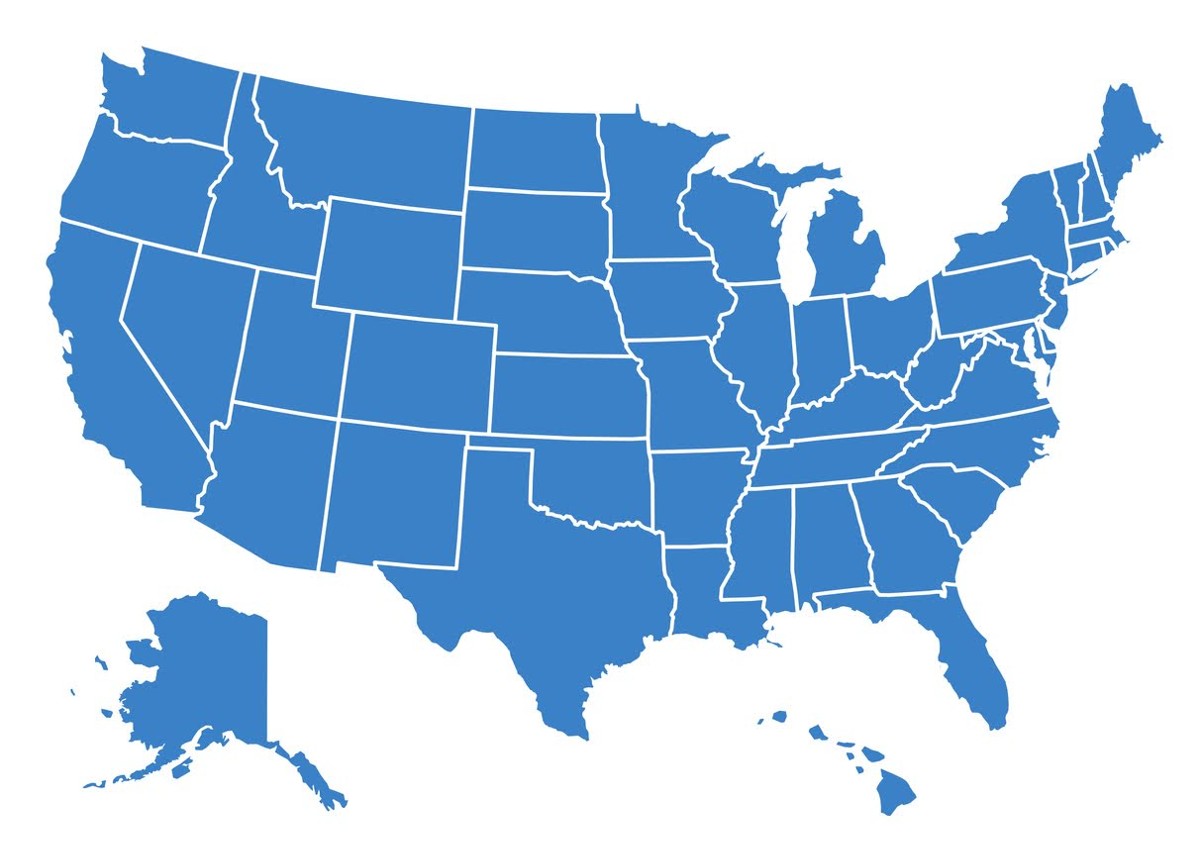
Arkansas, California, Indiana, and Louisiana have regulations stipulating that all burials must occur in established cemeteries. The only way to conduct a burial on private property is to convert a portion of one’s land into a family cemetery.
Accomplishing this will involve applying to create the cemetery, contacting local authorities, completing all necessary paperwork, and acquiring appropriate permits. Landowners may also need to have their property surveyed to ensure it is suitable for a cemetery.
The Funeral Director Factor
The law in 10 states mandate that a licensed funeral director be involved in the burial process. The extent of their responsibilities varies from state to state, with some imposing stricter regulations than others.
For example, in some states, a funeral director must coordinate transportation of the remains from the funeral home to the burial plot, be present during the ceremony if one is held, and oversee the actual interment. Other states have more lenient regulations, only requiring the funeral director to handle the filing of the death certificate.
Below is a list of the 10 states that mandate the involvement of a funeral director:
| Alabama | Louisiana |
| Arizona | Michigan |
| Connecticut | Nebraska |
| Illinois | New Jersey |
| Iowa | New York |
A Few Pros with Many Cons
Some families may be drawn to the idea of laying their loved ones to rest close to their home, as they value the personal connection and convenience it offers. Despite these perceived benefits, the process and implications of home burials come with significant drawbacks.
Obtaining permission involves numerous steps and navigating through a lot of bureaucratic procedures. In states where the land must be designated as a family cemetery, this process may extend for months and may not align with a family’s immediate burial needs.
Safety is another critical consideration. For instance, when a burial vault is not used, a gravesite will settle unevenly or collapse, creating unsafe grounds for those visiting. Moreover, properly preparing the plot is a labor-intensive task, particularly if it is dug by hand. There is always the option to purchase or rent a backhoe, but doing so can be costly.
Perhaps the biggest drawback is the uncertainty surrounding the future ownership of the land. Would the burial plots negatively affect the property’s marketability and resale value? If the land were to be sold, would the previous owners have access to the burial site? And would a non-family member maintain the grounds with care and respect?
Final Takeaways
The concept of having a loved one laid to rest on private land is far more complex in reality than it is idealized on tv and in movies. I encourage anyone thinking about a home burial to weigh the emotional appeal against practical considerations including potential legal, financial, and logistical challenges. Families should also be prepared for the possibility that their wishes might not be feasible, or that the approval process will be more stressful and drawn-out than expected.
Did You Know?
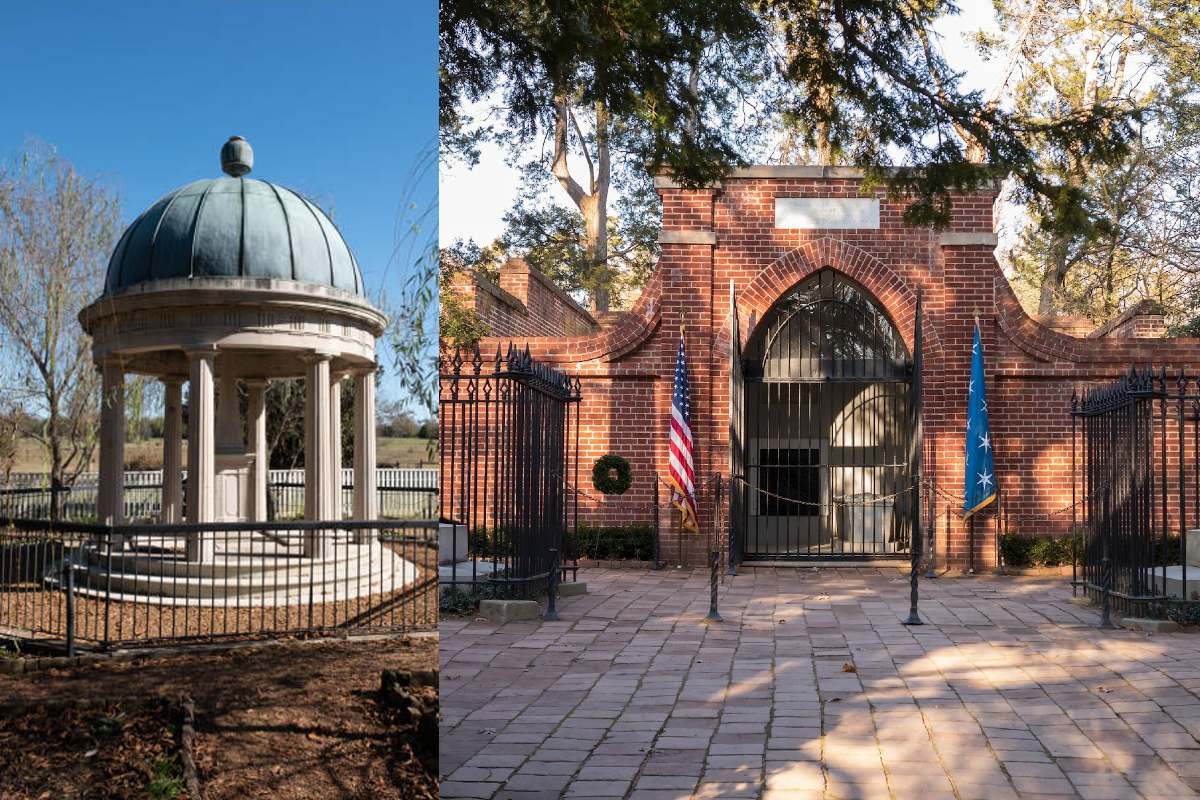
Quite a few presidents are buried on the properties of their birthplaces or their personal residences, many of which are now historic sites open to the general public. If you are a history enthusiast like me, you might be interested in visiting the graves of these presidents.
- President George Washington is buried on the grounds of his Mount Vernon Estate in Virginia.
- President James Madison rests on the grounds of his Montpelier Estate, now the Montpelier Estate National Historic Site in Montpelier Station, Virginia.
- President Andrew Jackson is buried at his residence, the Hermitage, in Hermitage, Tennessee.
- President Thomas Jefferson lies on the grounds of his Monticello Estate in Albemarle County, Virginia.
- President Herbert Hoover rests on the grounds of his birthplace home, now the Herbert Hoover National Historic Site, in West Branch, Iowa.
- President Dwight Eisenhower was laid to rest on the grounds of his family home in Abilene, Kansas, which now houses the Presidential Library and Museum Chapel.
- President Lyndon B. Johnson is buried in the Johnson Family Cemetery, on the grounds of his estate in Stonewall, Texas.




20 Responses
Good info Jill, but doesn’t particularly say anything about cremains. We have a small quarter acre, where over the years I’ve buried our pets remains under relatively small memorial plaques.
Could I not do the same with the small amount of my wife’s cremains, with a flush to the surface stone?
Related question, of the two plots / headstones in our family’s plots being filled, no more casket space and I don’t think headstone area. Could I not very privately put her ashes under a small plaque flush with the lawn, say between my parents flat stones?
Seems to contact people would involve money somehow.
Anticipating you’ll be honest and helpful. Thank you
Wayne
Hi Wayne, Thank you for reading my blog and reaching out. You are correct; I didn’t focus on cremation for this blog. It would be a great topic, though!
The legalities for burying a loved one’s cremated remains on personal property are similar to those of traditional home burials. Different states and municipalities have different regulations. However, these regulations tend to be less stringent because there aren’t health concerns. With that being said, I always encourage anyone considering burying cremated remains on personal property to weigh both the positives and negatives. I recommend reading this blog when you have a chance.
Whether or not you can bury your wife’s remains between your parents’ headstones is something you will need to discuss with cemetery management. They likely have rules and regulations regarding your request.
I hope this information helps. Take care! -Jill
How does someone begin the process for something like this? Where does someone begin? I would love to do this with my loved ones.
Hello,
Thank you for reaching out. The best place to begin is by checking with your local municipality to see what ordinances they have in place. Assuming your property meets the requirements, I would then reach out to the health department and have them guide you from there.
Best of luck!
-Jill
Hello Kristina, Thank you for reaching out. The best place to begin is by checking with your local municipality to see what ordinances they have in place. Assuming your property meets the requirements, your city government will likely require that your land be surveyed and that you get in touch with the local health department. Remember, every city and county is different and this will likely be a multi-step process that takes some time. Best of luck! -Jill
Is there any tax benefit of the private cemetery? I believe the hey are not taxed? Also, if true, converting the homestead to a private cemetery would include that same tax statu? Resale issues notwithstanding, if it remains private and licensed as such are the property taxes now waived?
Hello Wayne, You’re asking some great questions! It’s true that private cemeteries may qualify for certain tax benefits, particularly property tax exemptions, depending on their operational structure and adherence to certain regulations.
While I am not an expert in this area, I suggest reviewing the qualifications for achieving 501(c)(13) status. You can also consult with local tax authorities or a legal professional to understand the regulations in a specific jurisdiction.
I hope this guidance helps lead you to the answers you’re seeking.
Best regards, Jill
Hi, my wife and I are 79, we live in Nashville TN and plan to be buried in the Christian cemetery just north of Alfordsville Indiana. Should we decide to be buried in a trigard vault, what is the process for planning that? Oden Vault company in Oden Indiana normally supplies the vault services for this cemetery, my two nephews are legal caretakers, Sean & Nathan Gabhart. Most likely the Blake Funeral Home will be our choice for the funeral service. BTW I’m on your mailing list and have had couple of phone conversations with your management.
Hi Thomas, Thank you for reaching out, and for your interest in Trigard burial vaults. Odon Vault Company is an authorized dealer of Trigard burial vaults. You or your family should be able to work with your chosen funeral home to purchase a Trigard vault. We appreciate your interest. Take care, Jill
Hi my sister an I were talking about this
Being buried on our own land but don’t know what to do or how to even get started we live in Arkansas so what would we need to do do to get a portion of our land classified as a family cemetery
Hi Vickie, Thank you for reading the blog and reaching out. Depending on where you live, I suggest getting in touch with either city or local government. They should be able to advise you on reclassifying your land and explain any laws or ordinances that may be in place. Best of luck! -Jill
contacy your local county zoning board and they can guide you on how to get started.
Hi Jill,
Is it true that you would not be assessed property tax if part of your property was used for burial:interment? (Assuming you’ve cleared all the local permits & permissions)
Hello Susie,
This is a very good question! In most cases, burying a loved one on your own property does not affect your property taxes. However, regulations about home burials vary by state and local jurisdiction, so it’s extremely important to check with local authorities to ensure you’re following legal requirements. Some states or municipalities may require special permits or zoning approval, but this typically doesn’t impact property tax classification.
If you were to establish an official family cemetery, there could be specific tax implications or exemptions in some areas, but these situations are uncommon for private residential property. Always consult with local officials or a legal advisor for accurate guidance on property tax concerns related to home burials.
I hope you find this information helpful!
Jill
Hello so in Louisiana our family has a graveyard and land . No one is in charge as caretakers. So since our name is on the Land .who do I speak to about spreading my sister ashes on our Land .
I just want to do things right
Hello Beth, Thank you for your question. In most cases, you can scatter a loved one’s cremated remains on personal property, but it’s essential to contact your local government to check for any applicable regulations. Some areas may have specific rules regarding the disposal of cremated remains, even on private property. -Jill
My stepfather wants to put his brothers ashes in the Iowa backyard can it be done
Hello Travis, Thank you for reading the blog and for your question. In most scenarios, you can scatter a loved one’s cremated remains on personal property, but it’s critical to contact your local government to check for any applicable regulations. Some areas may have specific rules regarding the disposal of cremated remains, even on private property. -Jill
Someone said that “if” you bury someone on your own land that the land now becomes “Tax exempt”. Is this true?
Hello Denise, Thanks for reaching out. There have been several questions about burying someone on personal property and the related tax implications resulting from this blog.
Regarding your specific question, in some states, land used exclusively as a burial ground may qualify for a property tax exemption, but strict conditions apply. Simply burying someone on your property doesn’t automatically grant this status. For example, the land cannot serve dual purposes—if you bury a loved one in your backyard but continue living there or farming, it likely won’t qualify. Even if the “exclusive use” requirement is met, other hurdles remain. Many states require formally designating the land as a burial ground, which often involves recording a deed with the county, obtaining local zoning approvals, and complying with health department regulations. Local zoning laws or health codes may also prohibit burials within city limits or near water sources. So, while a property tax exemption is technically possible in some states, it’s complicated and not always feasible. I hope you find this answer helpful. Jill