
There is no doubt that cremation has become the preferred option for families across the country. In 2022, the national cremation rate reached 59%, and the Cremation Association of North America (CANA) projects that by 2040, it could exceed 78%. The funeral service industry continues to adapt to this shift, tailoring our offerings to best meet the needs of our client-families.
When the time comes to make final arrangements for a loved one—or even for ourselves as part of pre-planning—a pivotal consideration is the choice between cremation and traditional burial. Both methods have been practiced for thousands of years, each carrying their own merits and emotional resonances.
Many families, however, remain uninformed about the full range of their options. To help in this essential decision-making process, we’ve compiled a comprehensive guide that weighs the pros and cons of cremation vs. traditional burial.

Traditional Burial
For centuries, traditional burial has stood as the predominant choice for laying loved ones to rest, deeply rooted in societal, cultural, and religious beliefs.
Let’s go over some of the pros and cons of traditional burial services.
Pros
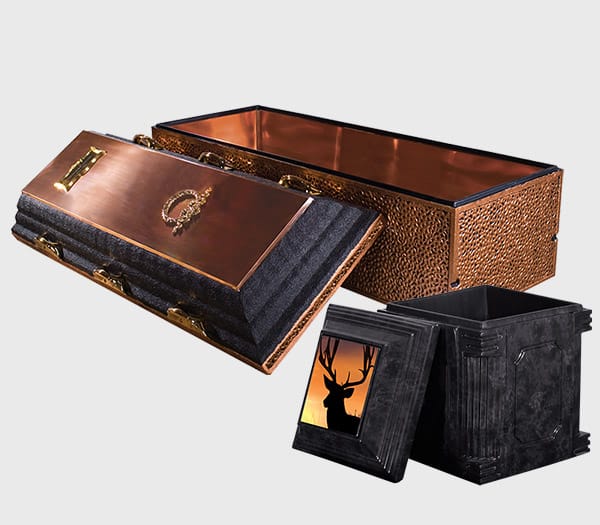
One benefit of this method is it offers peace of mind to the bereaved, knowing that the deceased’s remains are preserved intact. This comfort also comes from the assurance that the body is protected within a casket and burial vault.
Another advantage of traditional burial is the gravity and finality of the graveside ceremony, providing a space for family and friends to come together one last time in tribute.
This intimate gathering represents the culmination of the funeral home’s services and marks the conclusion of the initial stage of grief, setting those left behind on a path toward healthy healing.
And last, but certainly not least, burial enables families to uphold time-honored tradition that ensures successive generations maintain a tangible connection with their predecessors.
Cons
Choosing a traditional burial can come with financial concerns, as it involves planning for costs such as renting or purchasing a casket, acquiring a burial vault, and securing a gravesite.
The price of a casket can range from several hundred to several thousand dollars, based on the materials, design, and level of customization. Additionally, cemeteries typically require the use of a burial vault or grave liner to prevent the weight of the earth and heavy cemetery equipment from collapsing the grave.
Purchasing a burial plot is essentially buying a piece of land, with the cost possibly being quite high depending on the location and the prestige of the cemetery.
Another potential disadvantage is the legal requirement for individuals to be interred in a designated cemetery or memorial park, which restricts options. Although it is possible to exhume and relocate the deceased after burial, this process is costly and can be emotionally burdensome for the family.

Cremation
Grasping and accepting cremation as a form of final disposition can provide several benefits.
Pros
One advantage lies in the financial aspect. Although the costs associated with cremation vary greatly across the country, it is generally more budget-friendly than traditional burial. Its cost-effectiveness is due to the fact that it entails fewer monetary expenditures.
Cremation also offers a greater degree of flexibility regarding the final resting place. The remains can be buried in a cemetery, placed in a specialized niche, tastefully displayed in the home, distributed among family members, or even scattered in a meaningful location.
Cons
Despite these benefits, this decision should be approached with sensitivity and awareness of potential downsides. For some individuals, cremation may not resonate with their personal views and beliefs. They might perceive it as a less honorable or dignified way of laying a person to rest.
Another aspect to keep in mind is that once the body has undergone cremation, it cannot be reversed. This could be a concern for those with sentimental attachment to conventional burial practices.
Cremation Misconceptions
Amid the increasing trend towards cremation nationwide, there are still prevalent misconceptions surrounding it. Perhaps the most notable is the assumption that choosing cremation means forgoing a formal service.
While the pros and cons of both burial and cremation largely depend on personal preferences, grief counselors and industry professionals universally stress the importance of having some type of remembrance service and a designated final resting place.
Memorial services offer a healing space to connect with others and celebrate the life of the departed in a casual, rather upbeat setting. They provide a platform for sharing stories, tears, and laughter. Visitations, on the other hand, are occasions for the broader community to participate in communal mourning, offering condolences and extending their support to the bereaved.
Establishing a permanent resting place presents the opportunity for family and friends to visit and reflect on memories of the departed for years to come. When cremated remains are kept at home or scattered, there arises an element of long-term uncertainty. Beloved parks may eventually turn into commercial areas, and urns, once placed with reverence on mantels, could diminish in significance for subsequent generations.
In Closing
| Criteria | Traditional Burial | Cremation |
|---|---|---|
| Emotional Comfort | Preservation of the remains offers peace of mind. | May lack the emotional connect that accompanies traditional burial practices. |
| Ceremony | Provides attendees with a sense of closure. | Can offer more flexibility for memorial services. |
| Tradition | Upholds time-honored practices for a tangible lineage connection. | May diverge from traditional practices. |
| Cost | Typically more expensive due to casket, vault, and burial plot. | Generally less expensive with various options for cremated remains. |
| Flexibility | Legal restrictions apply to burial location. | Flexible in terms of final resting place options. |
| Long-term Maintenance | Burial plot may require maintenance over time. | Minimal to no maintenance, depending on final placement of the cremated remains. |
| Process of Care | Involves embalming and preservation. | An irreversible process with cremation. |
My hope is that this guide has helped you in forming your personal views on cremation and
traditional burial, as well as in making the final arrangements for yourself or your beloved loved ones.
Regardless of your selection, I encourage you to prioritize both commemorative services and a lasting final resting place in your planning.
To gain more insight into the array of options available, it’s recommended to consult with your local funeral director or cemetery representative.



2 Responses
My friends have all been talking about their new preferred memorial service and I want to know why this might be the case. It was really helpful how you stated that cremation leaves for flexible options with the remains because I know some of my relatives would prefer to have a way to keep memorabilia of their most loved ones with them as much as possible. I’ll be sure to raise this idea up to my family should we ever need a service to commemorate a past relative. Thank you!
https://falvofuneralhome.com/16/Cremation-Services.html
Thank you for mentioning that cremation can be cheaper than the alternative. My grandfather just passed away and we are planning the funeral. I will find a reputable cremation service to help.