

It’s no secret that more and more families are choosing cremation because it is a lower-cost alternative to a traditional funeral. In fact, the most recent data provided by the Cremation Association of North America (CANA) shows the cremation rate in the United States was 54.6% in 2019.
If you were to call a handful of funeral homes to find out the cost of cremation, you would likely be told prices that differ by a couple hundred dollars to over a thousand dollars. Such disparity may understandably leave you scratching your head.
This article will provide a good idea as to what you can expect to pay for cremation and the factors that influence its price. You will also be well-informed about the costs of additional cremation related products and services.
First Things First
The most affordable type of cremation is referred to as direct, basic, or simple and consists of the transportation of the body to a funeral home or crematory, the cremation itself, and the acquisition of necessary authorizations. Also included is a minimum container the body is placed in prior to cremation and a temporary urn.
A direct cremation does not include embalming, a visitation, or a remembrance service of any kind.
According to a study conducted by funeralocity.com, the average cost of a direct cremation is $1,924. However, prices range anywhere from $800 to as much as $5,000 and higher.
What Determines the Cost of Cremation?
Many circumstances impact the cost of cremation. In an effort to educate, but not overwhelm, here are the main three.
Type of Service Provider
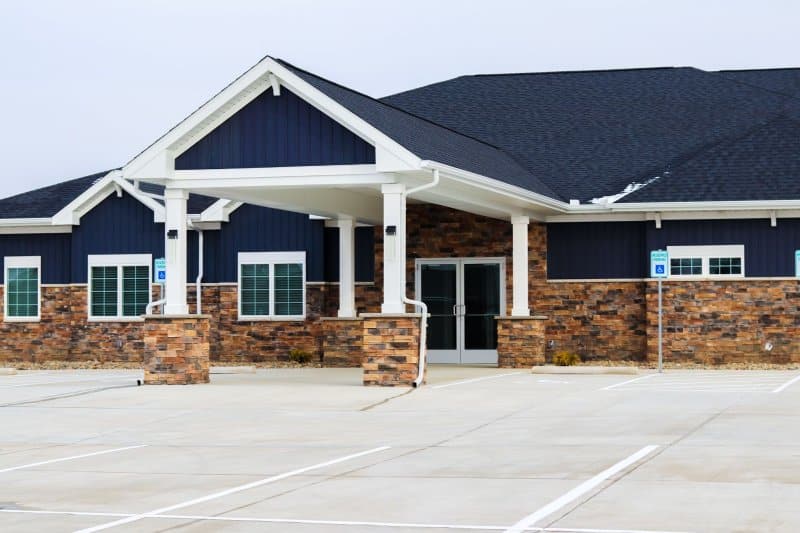
The vast majority of cremations are facilitated by full-service funeral homes. Cremation families benefit from the guidance and support a funeral director offers during the planning process. In any given community there will typically be more than one funeral home, enabling families to choose a price point that best suits their financial needs and preferences.
In some parts of the country, families have the option to use online providers and cremation societies. These organizations’ prices will be on the lower end of the spectrum, but there is no opportunity to have a service, personal interaction is limited, and families may be responsible for taking care of paperwork and other miscellaneous tasks on their own.
Area in Which You Live
A general rule of thumb is heavier populated areas with higher cremation rates will have lower pricing. These competitive urban markets often have cremation societies and low-end providers that drive prices down. Such areas will also have higher end options which help diversify prices.
As you move toward suburban and rural parts of the country, prices tend to increase and the gap from one provider to the next narrows.
The socioeconomic status of a community plays a role in pricing structures as well.
Overhead Expenses

There is a strong correlation between overhead expenses and prices.
Larger, updated funeral homes generally charge more because they have higher monthly bills and may need to cover the costs of recent renovations. Many families, especially those wishing to have a service, will spend a little more to use an updated spacious facility.
The amount of staff and their wages make up a large portion of a funeral home’s overhead. A location with a limited staff can charge less, but might not be able to provide the level of service a family expects.
The cost to purchase and maintain vehicles also affects prices. Locations with newer transfer vans, family cars, and hearses will likely charge more than funeral homes with older automobiles.
Cremation societies, online providers, and funeral homes offering bottom dollar pricing keep their overhead at a minimum. Oftentimes, they operate out of a small building and in some cases do not have a building at all. They usually have a small staff and may depend on third parties for cremations and removals.
What are my Choices for Product Upgrades?
Urns
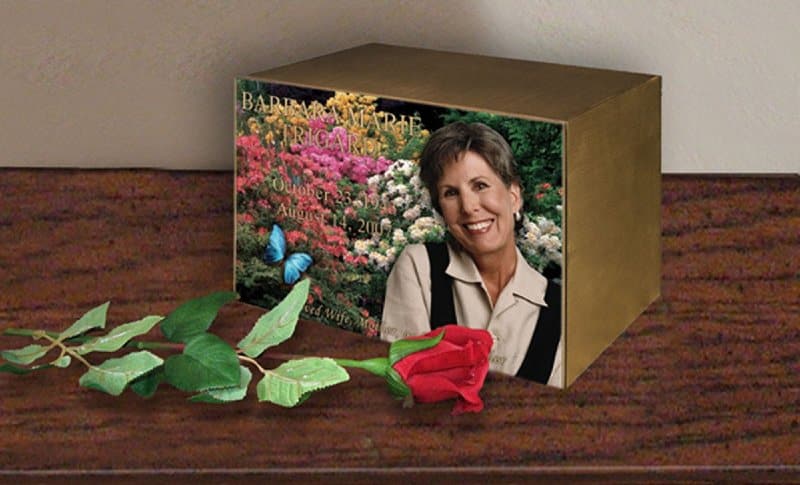
More than likely an urn will not be included in the price of cremation. Instead, families receive their loved one’s cremated remains in a clear bag that has been placed in a temporary brown or black plastic container.
Families wishing to purchase a quality urn can plan to pay roughly $150 to $400. The most popular types found around this price point are made from wood, brass, ceramic, and metal.
Custom and bronze urns as well as companion urns that hold the remains of two people will likely carry a higher price tag.
Most urns can be engraved for somewhere in the neighborhood of $50.
Cremation Container and Caskets

A direct cremation will include a combustible cardboard box or composite wood container that the body will be placed in prior to being inserted into the retort.
Some families prefer seeing their loved one for the last time in a more rigid, lined container that offers more eye appeal. Such an upgrade will run between $200 and $500.
In order to have a visitation, a cremation casket containing a minimal amount of metal must be used. A cloth casket can cost as little as $600, while one made of wood can cost up to $2,000.
A ceremonial rental casket can also be used for a public visitation and costs between $800 and $1200. This type of casket has a removable insert that the deceased is cremated in after services.
Services

A growing number of families are having a memorial service to celebrate the life of their loved one. This ceremony is like a regular service except an urn or picture of the deceased takes the place of the body as the main focal point. The total cost of a cremation with a memorial service ranges from $4,000 to $6,000.
Cremation families can have a visitation for the special person in their life who has passed away as long as the body has been embalmed. In 2019, the median cost for embalming was $750, while the median cost of a cremation with a visitation, excluding a casket and urn, was $5,150.
When a loved one’s cremated remains are to be buried or interred in a niche or mausoleum, a graveside service can be held at the cemetery. This can be done independently of or in addition to a visitation or memorial service and will range from $300 to $500. Cemetery fees are a separate charge.
A Few Words of Advice
When choosing a funeral home or other type of cremation provider, don’t hesitate to call and ask questions regarding pricing and services. Visiting the facilities and meeting some of the staff may also be beneficial. If you know someone who has recently suffered a loss, you may want to consider reaching out to them to find out about their experience with the end of life service provider they selected.
Losing a loved one is very difficult and making end of life arrangements can be stressful. The more knowledge you can gain, the more satisfied you will be with your decisions.