


It wasn’t too long ago that the idea of burying a pet in a cemetery was met with a fair amount of skepticism. And for many, the notion of laying an animal to rest in the same sacred grounds as humans was particularly unsettling. These perspectives stemmed from concerns about public health, environmental impacts, and preserving the sanctity of traditional cemeteries.
However, times have changed, and so have society’s views. This shift reflects a deepening appreciation for the vital roles that pets play in our lives, and an acknowledgement that they are, indeed, part of the family.
The topic of pet burials in public grounds resonates with a diverse audience—from those mourning a loss, to cemetery managers and owners grappling with logistical considerations, to entrepreneurs aspiring to enter the death care industry.
I, too, am intrigued by the evolving landscape of pet interments and invite you to join me in delving deeper into this trend.
A Brief History

The practice of interring pets in municipal areas began to take shape in the late 19th century.
Hartsdale Canine Cemetery in New York City, established in 1896, holds the distinction of being the first pet cemetery in the United States. At a time when cremation was uncommon and urbanization limited backyard burials, it offered a permanent resting place.
Rooted in the belief that cemetery memorialization symbolizes the eternal bond between humans and their cherished companions, pet burials have gained traction in recent years. Today, there are over 700 pet cemeteries across the country, with thousands of cemeteries incorporating dedicated sections for animal interments.
Grieving families can now choose a cemetery that truly aligns with their wishes, rather than merely settling for one that is conveniently close.
Navigating Legislation

State legislation and local ordinances governing pet internments vary significantly, making it crucial for both cemeterians and families to be well-informed about the legal frameworks in their areas.
In several states, laws now permit pets to be buried alongside their owners, or within the same plot. Additionally, an increasing number of states are allowing pet interments in designated sections of human cemeteries, provided they have clear boundaries to prevent the intermingling of remains.
Despite these progressive changes, a few states maintain strict regulations or outright bans on pet burials. Advocacy groups are continuously working to influence legislation and raise awareness to ensure that pets can be laid to rest with dignity in cemeteries traditionally reserved for their caretakers.
The Process: What Families Should Expect

The steps for making arrangements for a pet burial closely mirror those for a loved one.
Families will first choose a grave space, which might involve reviewing a map or touring the grounds to find the perfect plot—perhaps nestled under a tree, near a comfortable bench, or in an area that gets a lot of sunshine.
Next, they will be asked to sign authorization documents so the administrative staff can secure permits and coordinate with grounds crews. Families will also need to select a burial receptacle to house the remains and support the weight of the ground above.
Depending on the cemetery’s offerings, a graveside ceremony may be planned so that family and friends can formally say their final farewells. The service can include elements of a regular funeral service, such as reciting poems, reading Bible verses, and sharing stories.
Preparation of the Burial Space

Although the preparation of a pet grave and the specific equipment needed may slightly differ from one cemetery to another, the same basic procedures are usually followed.
Pet burials require a smaller footprint than those for humans, so graves are typically excavated by hand. Various types of specialized mechanical devices can be used to gently lower the outer burial container into the ground.
Afterward, the grave is backfilled with the previously excavated earth, and the surface is carefully restored with topsoil. Fresh sod or grass seed is then sown to create a visually appealing landscape.
If a family is holding a graveside service or witnessing the burial, amenities such as chairs or even a tent may be set up for the comfort of attendees.
Why Bury a Pet in a Cemetery?
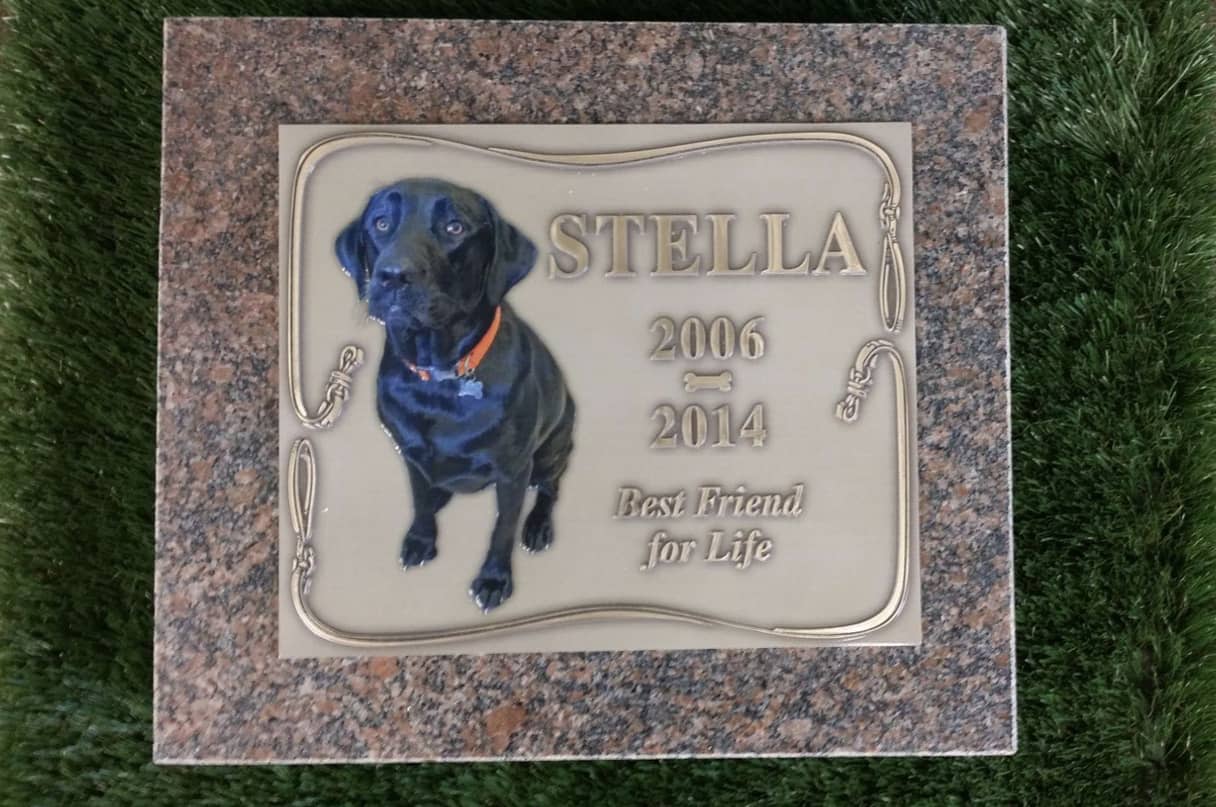
One of the greatest benefits of laying a pet to rest in a cemetery is having a dedicated place for remembrance, one that will be properly cared for and maintained over time.
Visiting the gravesite can be therapeutic, helping those left behind work through their grief in a healthy manner. Many find that reflecting on fond memories is profoundly healing, transforming the pain of loss into feelings of comfort and joy.
Cemetery burials also enable families to pay tribute to their faithful animal counterparts with a personalized grave marker. These memorials serve as a lasting, tangible way to express gratitude for the happiness their pets brought into their lives.
Parting Thoughts

The connection between humans and their adored pets is filled with unconditional love and unwavering loyalty. When the inevitable time comes to say goodbye, the experience is nothing short of heartbreaking.
Just as one would seek a respectful burial for a spouse, parent, or sibling, owners rightly desire the same level of care and reverence for their furry, feathered, and scaled companions.
Recognizing this need and the potential for expansion, a growing number of cemeteries are beginning to offer pet interments. Further changes in legislation are also expected, allowing more beloved pets to lie in peace with their human families.