


As you stroll through a cemetery, its still and somber aura might seem peaceful—but beneath that calm surface lies a world brimming with mystery that has fascinated humans for centuries.
Personally, I’ve always been intrigued by how burial grounds evoke both reverence and a hint of fear. I suppose it only makes sense, given that these sacred places are steeped in beliefs and folklore that blur the line between life, death, and the unknown.
Today, we’ll uncover some of the most unusual and captivating cemetery superstitions, along with the stories that have been passed down through generations.
Walking Backwards
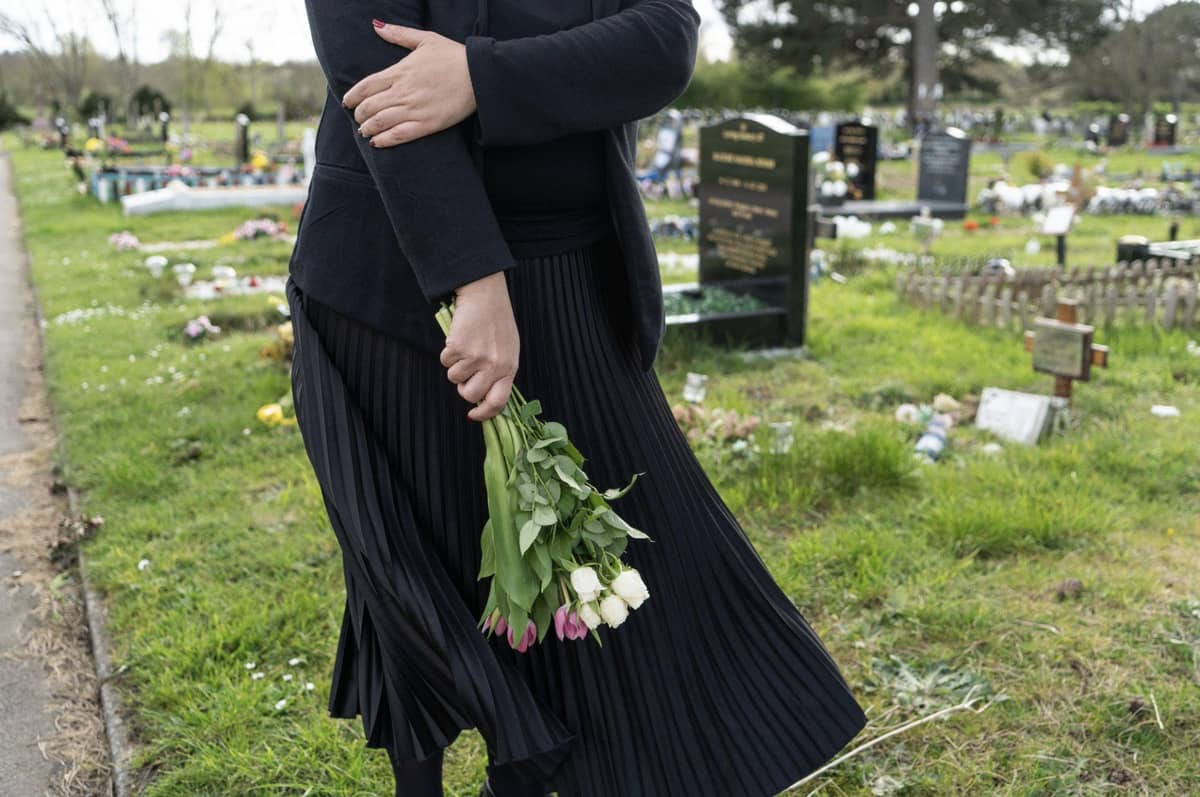
One of the myths you may find most curious combines the need to say a final farewell with the instinct for self-protection.
It is said that if you walk away from the burial site facing forward after attending a service, the deceased’s spirit could follow you home. To outsmart any wandering souls, tradition suggests walking away backwards, making it harder for roaming souls to tag along.
As an added measure, some would put rosemary or salt in their pocket to ward off uninvited followers.
Watchful Trees
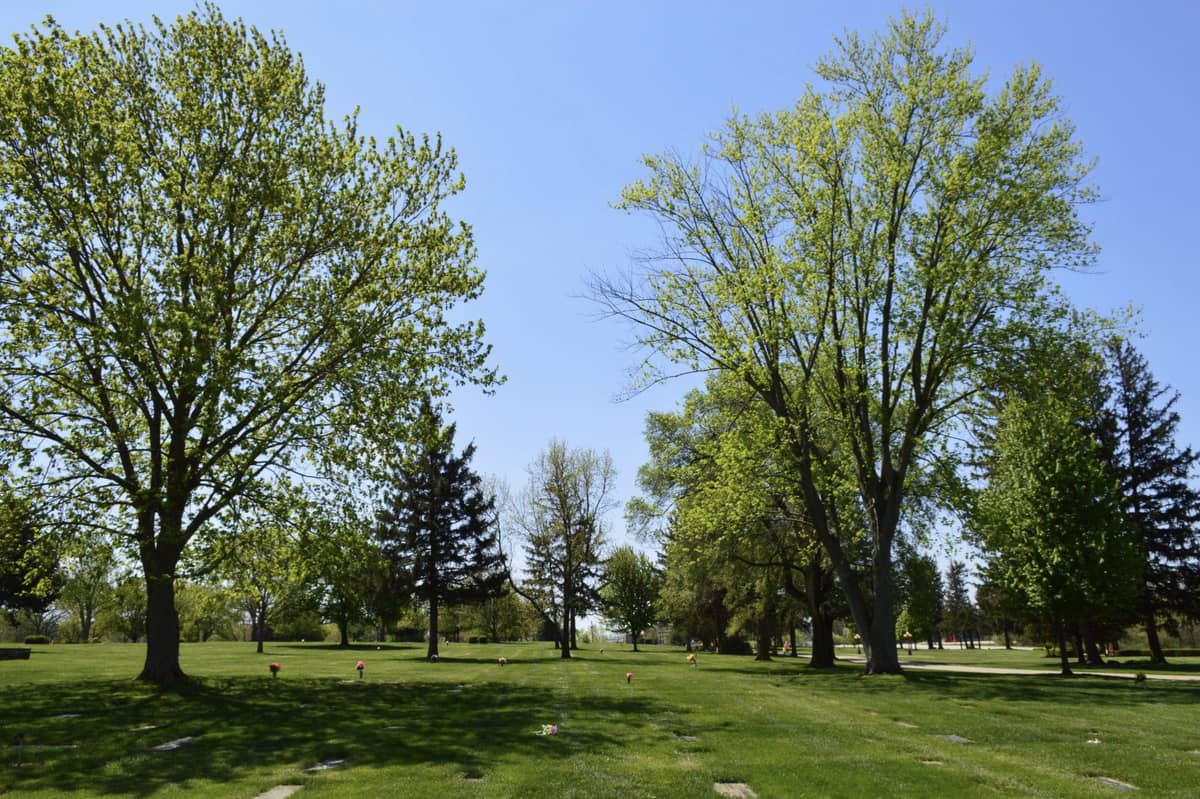
Would you agree that there is something majestic about the towering trees in older cemeteries? Folklore suggests that certain tree species carry spiritual significance, guarding those who have passed and keeping evil forces at bay.
Yew trees, commonly found in historic European cemeteries, represent the cycle of life and death and were thought to possess the power to purify the souls of the departed. Oak trees, on the other hand, were viewed as bridges between worlds, grounding the living while linking the dead to the afterlife.
In many traditions, cutting down certain trees, particularly those near gravesites, was considered bad luck, as it disrupted the divine connection to nature.
Don’t Hold Your Breath – or Maybe You Should?
Did you hold your breath as a kid while driving past a cemetery? I know I did! But what was the reason behind it? Well, as legend has it, holding your breath was the best tactic to keep spirits from entering your body.
Another version of the tale warns that exhaling near a grave could upset the dead, disrupting their eternal rest and potentially offending them. So, as a sign of respect—and perhaps to avoid a ghostly encounter—people would (and some still do) stop breathing until they’ve safely passed by.
Coins on Gravestones
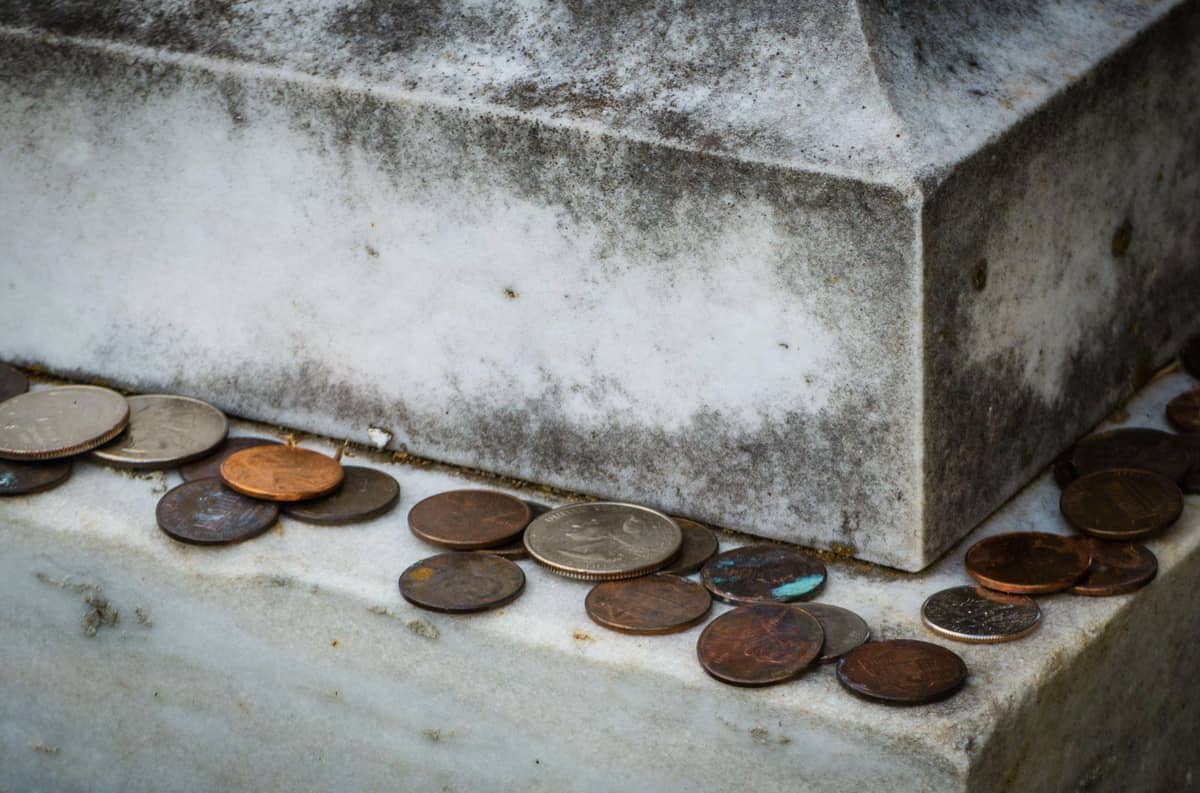
Have you ever come across coins left behind on grave markers?
What might appear to be a random offering is actually part of a reverent, long-standing tradition, symbolizing gratitude and a shared sense of camaraderie among service members and those who honor them. This custom is usually associated with military burial sites, where different coins indicate the visitor’s relationship with the fallen soldier.
A penny conveys that someone who didn’t know the departed stopped by to pay their respects. A nickel signifies they trained together at boot camp, and a dime shows they served alongside one another. The most personal of all, a quarter, means that the visitor was present when the soldier passed away.
Bells of Safety

Perhaps the eeriest superstition revolves around the fear of being buried alive—a very real concern centuries ago.
This fear led to the invention of the “safety coffin,” which was equipped with a string that could be tied around the deceased’s wrist. The string ran through the casket and was attached to a bell above the grave.
If the person suddenly awoke, they could tug the string to ring the bell and alert others to their unfortunate situation. Graveyard caretakers were often tasked with sitting vigil overnight, listening for the toll of the bell, ready to rescue anyone mistakenly buried.
I don’t know about you, but I am extremely thankful that modern medicine now ensures a person is truly deceased, though the mere idea of premature burial still haunts the imaginations of many.
Flowers as Messages from the Dead
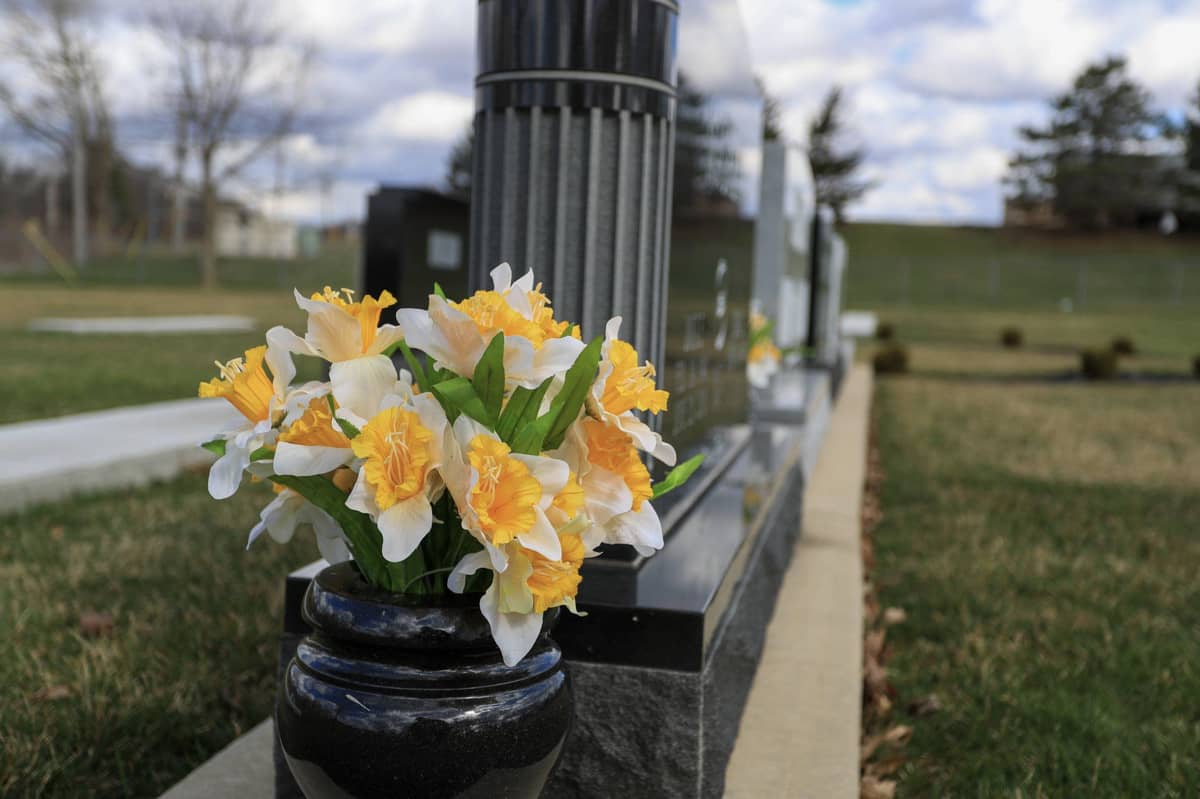
In Victorian times, flowers left on graves were considered more than just decorations or simple tributes—they served as symbolic language to communicate emotions or messages to the dead.
Specific flowers were carefully chosen to express particular feelings. Marigolds, for example, were used to convey sorrow or grief, while roses carried sentiments of love and remembrance.
Historically, wilted or dead flowers were seen as bad omens. They were not only a sign of neglect, but also implied that the spirits were displeased or, even worse, felt as though they had been forgotten.
Even today, flowers on graves remind us of the enduring bonds we share with family members and friends who have passed.
Never Count the Tombstones!
Have you ever felt the urge to count the gravestones or markers in a cemetery or a specific area? In many parts of the world, this was said to bring misfortune.
According to this belief, counting graves would either shorten your life or reveal the number of days you have left to live.
Now, I’ve never tested this out (and don’t plan to do so), but it says a lot about society’s deep-rooted fear of death—and how we try to keep it at arm’s length.
Uniting Myth and Reflection
Cemetery superstitions provide eye-opening glimpses into how mankind has historically approached death, grief, and the mysteries of the afterlife.
And while many of these beliefs we’ve discussed have been demystified over time, traces of them still linger in subtle ways.
Though cemeteries will always be spaces for memorialization and mourning, the echoes of these age-old myths will surely continue to inspire curiosity and wonder.




3 Responses
Great article Jill!
Your information was interesting. Thank you for sharing. I do have a question though. Where can I find a BOTTOM SEALING VAULT? I am in the process of making plans for a hopefully distant future event since I have no close relatives to plan such a thing. If you know where I can locate a bottom sealing vault please advise. Thanks
Hello Ross, Thank you for reaching out. I am unaware of any burial vaults that seal at the bottom. If the cemetery you’ve chosen requires this type of burial vault, I suggest asking them if they offer them or know where you could find one. I did a little research online and was not able to find such a vault. Best of luck as you explore your options.
– Jill