


Technology has changed how consumers are making purchases and the families who are served by the funeral industry are benefitting from this ongoing transformation.
In the market for a new car? Just find one online and have it delivered. Looking to buy a new home? No need to see a house in person when you can take a virtual tour. Running low on groceries? Have a personal shopper bring them right to your door. Who would have thought 10 years ago that these options would be available to us?
Funeral Products
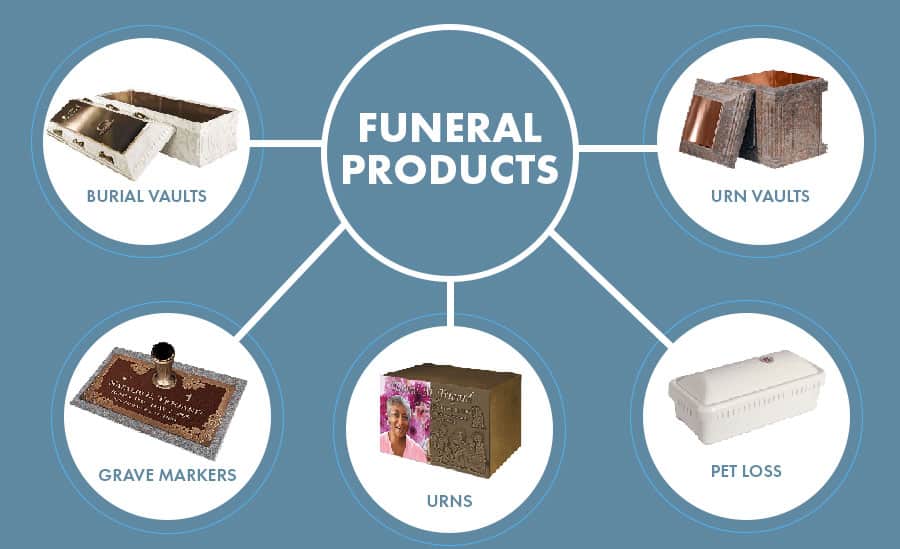
Products that memorialize loved ones and allow them to be properly laid to rest are typically presented to families in a manner that assists them in making meaningful selections. The focus isn’t centered solely around making a sale. New digitized tools are enhancing this experience by enabling those who have been left behind to make more informed, empowered decisions.
We will be exploring this topic in greater detail. In doing so, funeral homes, cemeteries, and monument shops will sometimes be referred to as “retailers”. I don’t particularly care for this word in this context of funeral service, but for lack of a more sensitive term it will be used.
The Convenience Factor
We live in a society of convenience and have grown accustomed to being able to carry out many facets of our lives without leaving the house. As we all know the COVID pandemic has caused this to become more of a reality than a preference.
Funeral service is unique in that most arrangements and transactions take place in person. However, there are times when families prefer to view products and make purchases from home or another location. Remote access provides them more time to think about their choices and gives relatives who are elderly, have physical limitations, or live far away a chance to weigh in on decisions.
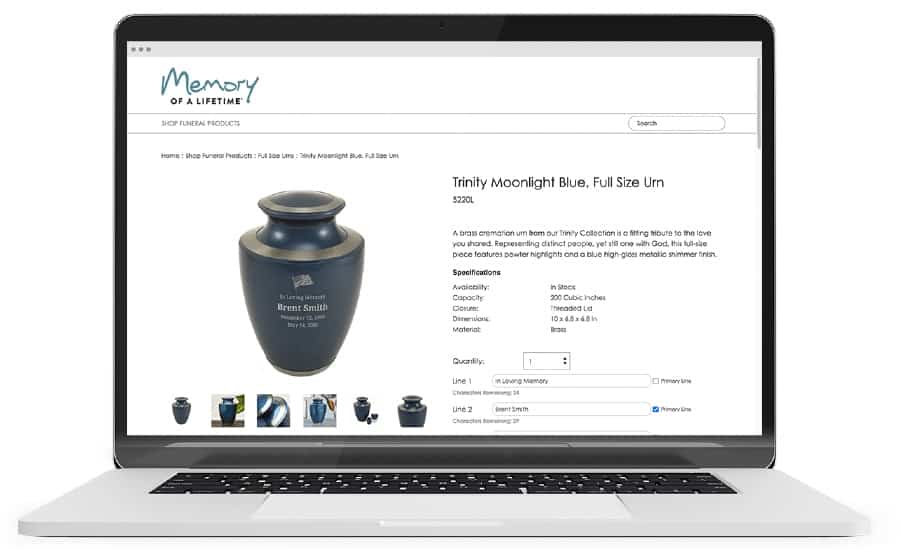
Many industry suppliers have links to their merchandise lines that retailers can share with families. Some suppliers offer apps that have a catalog-like feel, while others have more tailored software with interactive capabilities.
Terrybear®, a leading distributor of cremation urns and memorials, has collaborated with funeral homes to set up an online shopping platform that can be customized with a firm’s logo and retail pricing. Terrybear products can be viewed, personalized, and ordered on this user-friendly platform.
Along similar lines, a growing number of cemeteries are making it possible for visitors to see their grounds online. webCemeteries.com, for example, has technology that allows families to take virtual tours, search for available inventory, and see pricing on a cemetery’s website. Cemetery property can be viewed on a satellite image and at ground level.
Presentation Preferences

When I was 5 years old my father added a large casket selection room to the funeral home we lived in. Twenty-five years later I found myself back at the funeral home picking out his casket on a large screen. The display area had been turned into a reception room. I was taken aback by this change, but soon realized it was a win-win situation.
My family won because we could sit comfortably, view our options, and discuss them openly. The funeral home won because we bought a casket and paid to use the lovely reception area.
Now, I am not suggesting that retailers shouldn’t have product displays. I do, however, want to point out that there are additional ways to show merchandise electronically; many of which align well with the purchasing habits of today’s consumers (families). Funeral homes and monument companies that have limited space find these types of displays very appealing.
Nearly 70% of Americans have shopped online. We are used to quickly looking at a wide variety of products with a swipe of the finger. Some retailers are recreating this type of experience by having their offerings loaded on to kiosks. Families have access to detailed information and are able to personalize their selections. They like being in the driver’s seat and navigating the software on their own.
Digital signage is also used in different capacities to show product images, information, and pricing. Retailers can decide if they prefer wall mount or freestanding displays. Signage can be used as educational pieces and to supplement existing inventory.
Time is of the Essence
One of a funeral director’s biggest fears is a product not arriving in time for a funeral service. Being married to a funeral director, I know this to be true.
Placing orders as soon as possible is critical for all items, but is especially important for burial and urn vaults. Funeral homes and cemeteries can’t stock these items because of their tremendous weight.
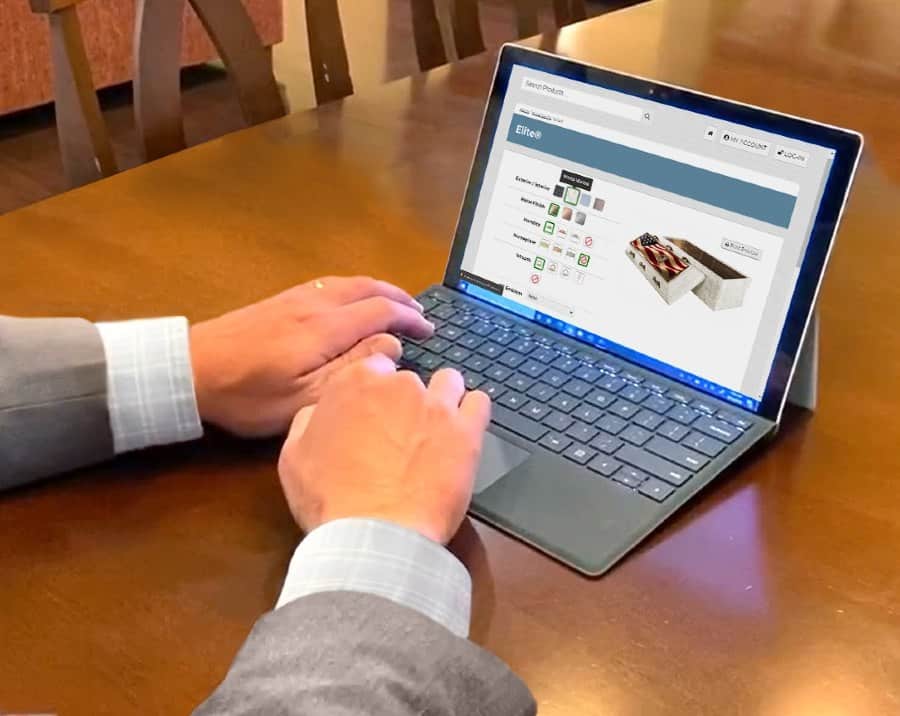
Trigard understands this constraint and has developed a cloud-based burial vault builder tool that funeral homes or directors can use to choose and customize burial and urn vaults. Orders can be placed in real time so that vault dealers are able to receive all the information right away.
Before grave markers and certain urns can be produced, families need to sign off on proofs showing how they will look when completed. This can be a lengthy, tedious process, particularly when multiple edits and changes are made to the design. Manufacturers and suppliers have begun developing online design programs that generate instant proofs. This expedites the process, minimizes errors, and improves customer satisfaction.
Various forms of automated offerings are being used in the industry. The ability to confirm the details of an order and watch as it is placed, gives families the peace of mind they deserve.
A Progressive Approach
Today’s consumers have come to expect that businesses offer technology to assist them in some capacity. Families who have suffered losses are beginning to have those same expectations.
Despite being sometimes labeled as “slow to change,” the funeral industry has really stepped up to the plate in terms of innovation.
I have highlighted just a few of the many automated applications that are helping the bereaved select merchandise. Many of the existing platforms are intended to not only be used by families who have lost loved ones, but also by those who have had a pet pass away.
I am confident that the industry will continually strive to better serve families by developing new digitized solutions and perfecting existing ones. It will be exciting to see what the future holds.