

The funeral director, the organist, the minister, the greeter at the front door: these are the people we tend to associate with the word “funeral” and who, without a doubt, have an essential role in planning and orchestrating end-of-life services.
What many people don’t realize is there are other key people who are instrumental in making a funeral possible. Allow me to introduce 3 of these dedicated, hardworking individuals to you.
1. The Administrator
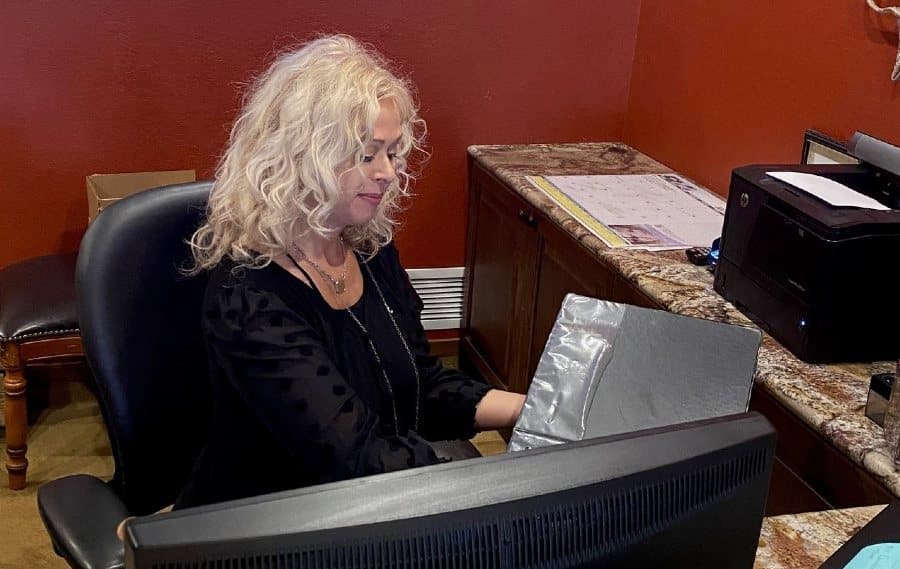
A funeral home administrator’s job includes tasks that go well beyond typical clerical duties. In addition to invoicing, paying bills, and filing paperwork, this multifaceted employee regularly wears the hat of a funeral director, insurance agent, and counselor.
Many times administrators are called upon to help funeral directors prepare paperwork for arrangement conferences, call ministers and churches, and write obituaries. If there is a shortage of staff, don’t be surprised to find a member of the admin team carrying flowers or setting up chairs for a service.
The administrative staff plays their part in making a tough time a little easier for families by contacting insurance providers to coordinate funeral payment. This takes pressure off bereaving families and allows them to focus on a path toward healing.
Administrators are also familiar with the details of upcoming services and are able to field questions from families when a funeral director isn’t available. They are always willing to lend an ear and express their sympathies to those in need of support.
2. The Graphic Designer

A funeral home’s graphic designer is in charge of making all of the printed materials needed for services and post funeral follow-up. These customized items include memorial folders (programs), register books, prayer cards, laminated obituaries, and thank you cards. Most families hold on to these treasured keepsakes after services.
The graphic designer also puts together the memorial video which is made up of between 50 and 100 photographs and in some cases, live video. This tribute is set to music and played during services. Memorial videos enhance the personalization aspect of a service while allowing guests to feel a special connection to the person who passed away.
At the conclusion of funeral services, families often find themselves feeling a little empty inside. They are no longer able to talk to, hug, or squeeze the hand of their loved one. The printed materials and memorial videos can help fill their heart with fond memories of their loved one.
I’d like to point out that not all funeral homes have a dedicated graphic designer. Instead, they appoint a detail oriented, creative employee with strong computer skills to carry out the duties of this position.
3. The Gravedigger
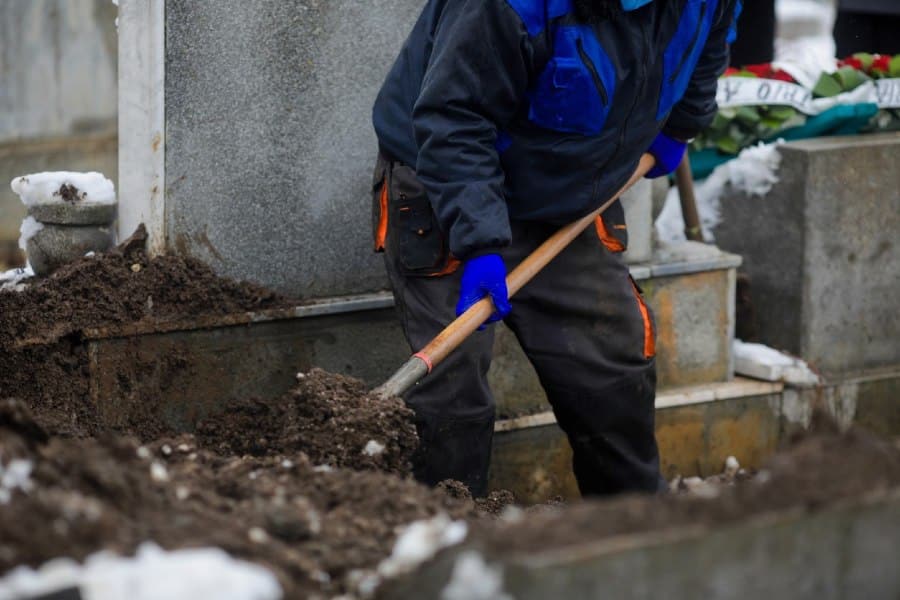
Most people know that a gravedigger is needed to prepare burial sites for a loved one’s casket and burial vault, but many may not be aware of everything the job entails.
Gravediggers, who are also known as groundskeepers, are in charge of making sure the cemetery grounds are cared for and well maintained. This involves spending a significant amount of time mowing and beautifying greenspace. They also tend to landscaping and ensure buildings and amenities are clean and aren’t in need of any repairs.
The fruits of a gravedigger’s labor are on display for all to see at graveside committal services. The cemetery’s well-manicured entrance welcomes funeral processions. Special care has been given to the lawn and grave markers surrounding the burial space. Whether it’s -20° or 120°, snowing or raining, the gravedigger can be found fulfilling the time-sensitive requirements of the job.
The committal service marks the official end of the funeral and can have a lasting impact on the minds and in the hearts of those who attended. The tranquil, picturesque setting where this takes place can be attributed to the gravedigger.
It Takes a Village
You have probably heard the saying, “It takes a village to raise a child.” Well, guess what. It also takes a village to have a funeral.
This village is made up of very special, service-minded people who truly care about the well-being of others and realize how important it is to honor the lives of those who have passed away. Some of these individuals may not be front and center, but the impact of their work can last a lifetime.
If you happen to cross paths with someone who performs any of the previously mentioned job functions, be sure to extend your gratitude and let them know they are appreciated.